
Roofing Houses That People Drive Out Of Their Way To See
River Forest is not a town where you staple on a roof and leave. Wide Prairie School eaves, complex hip and gable intersections, copper and slate details from an era when nobody was cutting corners, and lot after lot of homes worth more than the block they sit on. The work here demands a slower walk-around and a roofer who is willing to say what a house actually needs.
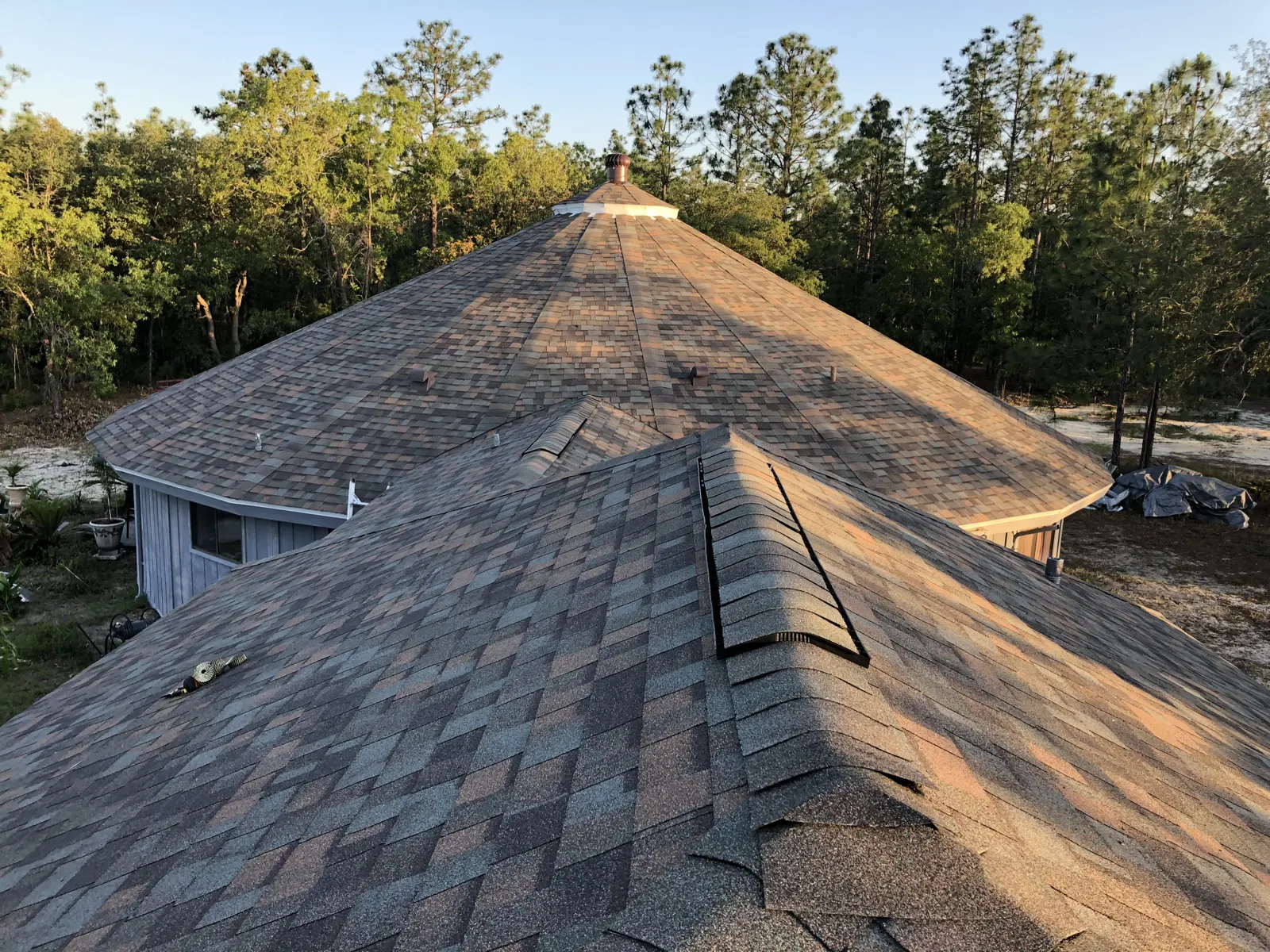
Architectural shingle, complex hip layout
What Makes These Roofs Different
The village grew up around the turn of the last century, and the housing stock reflects it. Frank Lloyd Wright and his Prairie School contemporaries left real buildings here, and the blocks around them filled with Tudors, Colonial Revivals, foursquares and large stucco homes built by people who could afford good materials. A century later those roofs are complicated in ways a 1960s ranch never is. Multiple planes meeting at odd angles, dormers cut into hips, wide overhangs with exposed rafter tails, built-in gutters concealed inside the cornice, and chimney masses that were never meant to be flashed with a tube of caulk.
Wide eaves are the signature and also the risk. A deep overhang throws water well away from the wall, which is good, but it also means the gutter hangs far out on a long fascia run, holds a lot of weight in ice, and takes the full load of every winter. Exposed rafter tails and soffit boards under those eaves rot quietly when the gutter behind them has been failing for years. When we look at a Prairie-influenced home in River Forest, the eave assembly gets as much attention as the field of the roof, because that is where the money is either saved or lost.
Then there is the question of what the roof is supposed to look like when we leave. Some of these homes wore slate or tile originally. Some still do. A heavy architectural shingle in the right color and profile reads correctly on a Tudor or a foursquare and costs a fraction of natural slate. On other houses, especially where a low-pitch Prairie roof shows almost no surface from the street, standing seam metal is the honest answer, and the details at the hips and valleys are what separate a good metal job from an expensive mistake. We will tell you which category your house is in.
What River Forest Homeowners Call Us For
- Shingle roof replacement on complex hip and gable roofs where valleys, dormers and chimney flashing carry the job.
- Metal roof repair and standing seam detail work on low-slope Prairie roofs, porch roofs and bay projections.
- Gutter replacement on long eave runs, sized and hung for real ice weight, plus gutter repair where a run is worth saving.
- Shingle roof repair after storms, done in a way that matches the existing roof rather than announcing itself.
- Wind damage repair on the tall, exposed roof planes that catch the worst of a straight-line event.
The village also has institutional roofs. Churches, schools and Dominican University buildings all carry roofing with steep pitches, bell towers, and flat sections nobody sees from the ground. Our church roofing and commercial roof inspection work covers those, usually starting with a documented inspection so a board or committee can plan the spending instead of reacting to a leak.
Trees, Shade And The Slow Kind Of Damage
The tree canopy in River Forest is one of the best things about the village and one of the hardest things about its roofs. Big oaks and elms mean constant organic debris in valleys and gutters, north-facing slopes that never fully dry, and moss and algae growth that holds moisture against shingles. Limbs overhanging a roof abrade the surface every time the wind moves them, and a single storm-dropped branch can open a hole in an afternoon.
None of that means you should cut down your trees. It means the maintenance rhythm is different here. Valleys and gutters need clearing more than twice a year, shaded slopes should be inspected rather than assumed fine, and overhanging limbs are worth trimming back before a February ice load makes the decision for you. We will point out what we see and tell you what actually needs doing, which is often less than a salesman would claim.
Storms, Insurance And Not Panicking
When hail or high wind moves through the near-west suburbs, the door-knockers arrive within a day, and River Forest gets more of them than most towns because of the property values. Slow down. Damage that is real is still real in two weeks. We inspect free, photograph the roof the way an adjuster expects it documented, and give you a straight read on whether the damage clears your deductible. If it does not, you keep the report and skip a claim you did not need. If it does, we handle insurance claims with you and meet the adjuster on the roof.
Who Actually Shows Up
Guardian Roofing Systems is second generation. Angelo Ristich learned roofing under his father Frank, took the company over and modernized it, and supervises the jobs personally. On a house like the ones in River Forest, that matters more than any brochure. You get the owner walking your eave line and telling you what he sees, satellite measurements that turn into a real number quickly, and financing pre-approval help when a large roof lands at an inconvenient time. We are A+ with the BBB, hold a HomeAdvisor Elite Service award, and are licensed and insured in Illinois. Mon through Sat, with emergency patch response when a limb comes through at midnight. See finished work in the gallery, or reach us through the contact page.
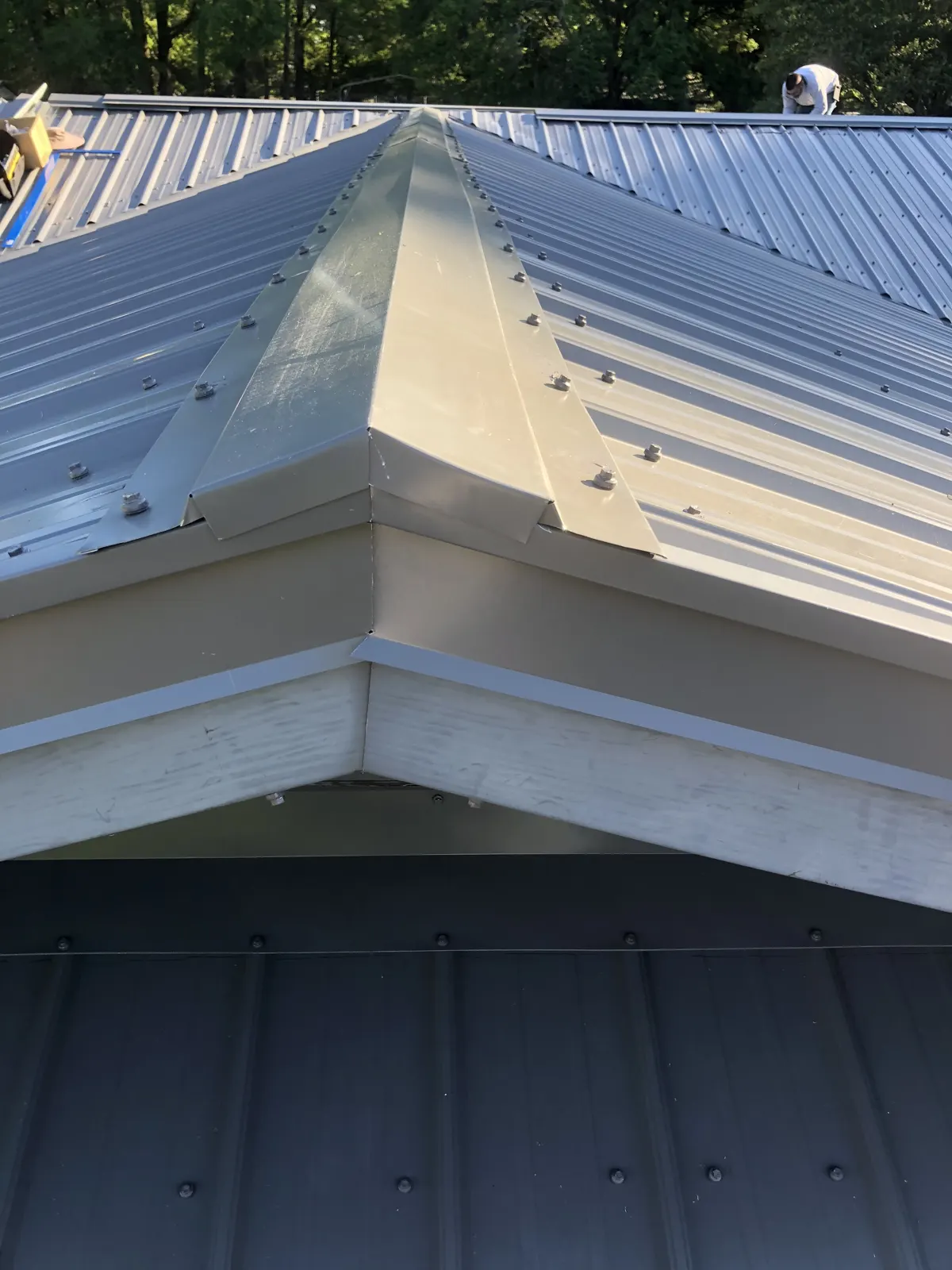
Standing seam hip, detailed by hand
River Forest At A Glance
Turn-of-the-century estate stock, Prairie School and Tudor architecture, wide eaves, built-in gutters and heavy tree cover. Detail work carries the job here.
Mon to Sat, 9 to 5, with emergency patch response when storms hit.
(312) 590-4853Villages On The Same Loop
We work River Forest as part of the near-west corner of Cook County. Oak Park shares the eastern border and much of the same architecture, Elmwood Park sits north with tighter bungalow blocks, River Grove follows the river up past Thatcher, and Melrose Park anchors the west side of the cluster. Because these towns share housing eras and storm paths, we routinely stage a week’s work across several of them at once. The rest of the coverage area is mapped on the service areas page.
River Forest Roofing Questions
My house had slate originally. What are my options now?
Three, honestly. Repair the slate if enough of it is sound and the deck can carry it. Replace with natural slate, which is beautiful and expensive. Or go with a heavy architectural shingle in a profile and color that reads correctly from the street at a fraction of the cost. We will walk the roof and tell you which of those your house and your budget actually support.
My gutters are built into the cornice. Can you work on those?
Yes, and they need a different approach than a hung gutter. Built-in gutters are lined channels inside the roof edge, so a failure leaks into the soffit and wall rather than dripping outside. We inspect the liner, address the wood underneath where it has gone soft, and reline properly. Patching one with roof cement is a stopgap that always comes back.
Will a new roof look wrong on a historic house?
It can if nobody is paying attention. Profile, color, exposure and how the ridge and hips are finished all change how a roof reads from the sidewalk. We bring samples, look at them against your brick or stucco in daylight, and match the character of the house instead of installing whatever is on the truck.
Oaks hang over half my roof. Is that ruining it?
It shortens its life if nothing is managed. Debris packs valleys, shaded slopes stay damp and grow algae, and moving limbs sand the shingle surface. Keep the valleys and gutters clear, trim back the branches that actually touch, and have the shaded slopes looked at rather than assumed fine. That is usually enough.
Do you work on churches and school buildings in the village?
Yes. Steep slate and tile, bell towers, and the flat sections behind parapets are all familiar work. We usually start with a documented inspection and photo report so a board can budget on a real timeline rather than reacting to the next leak.
Somebody knocked on my door after the last hail. Should I sign?
No. Get the roof looked at by a company with a local address and a phone number that gets answered next year. Real damage does not expire in a week. We inspect free, document it properly, and tell you if there is nothing there.
Have Guardian Walk Your Eave Line
Call and describe what the house is doing, from a stain in a plaster ceiling to a gutter that has been overflowing for two winters. You get a straight price and an honest read on what can wait. The contact page works too, and we return calls the same business day.